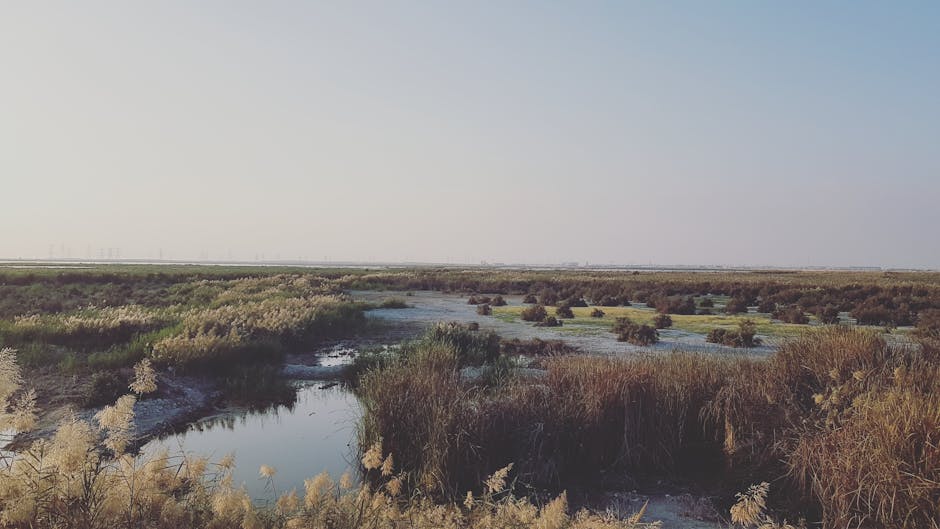
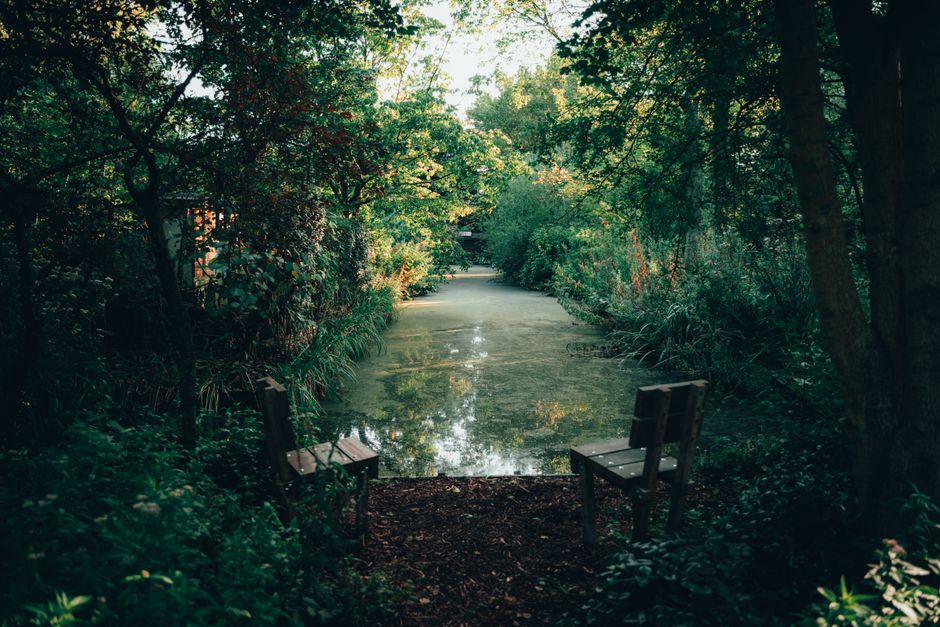
Walthamstow Marshes wild garden ideas from local gardeners
If you have ever walked near the marshes and thought, "I want that same loose, living, slightly untamed feel at home," you are in the right place. Walthamstow Marshes wild garden ideas from local gardeners are not about letting everything run wild and hoping for the best. They are about creating a garden that looks natural, supports wildlife, copes with local weather, and still feels cared for. That balance is the magic.
In a place like Walthamstow, where gardens can be compact, windy, shaded, or a little awkwardly shaped, wild-style planting can be surprisingly practical. You can build something soft and natural without turning your outdoor space into a maintenance headache. Below, you will find ideas, methods, and real-world guidance rooted in what tends to work in London back gardens, front plots, and shared spaces. A few notes are drawn from common local-garden experience, and a few from plain old trial and error. Truth be told, that is usually where the useful advice lives.
For readers who want to keep things low-fuss while still getting the look right, it can help to start with simple foundations like ground cover planting ideas, healthy soil habits from organic waste and soil building, and smart edge control through weed control tips.
Table of Contents
- Why Walthamstow Marshes wild garden ideas from local gardeners Matters
- How Walthamstow Marshes wild garden ideas from local gardeners Works
- Key Benefits and Practical Advantages
- Who This Is For and When It Makes Sense
- Step-by-Step Guidance
- Expert Tips for Better Results
- Common Mistakes to Avoid
- Tools, Resources and Recommendations
- Law, Compliance, Standards, or Best Practice
- Options, Methods, or Comparison Table
- Case Study or Real-World Example
- Practical Checklist
- Conclusion
- Frequently Asked Questions
Why Walthamstow Marshes wild garden ideas from local gardeners Matters
Wild gardens matter because they solve several problems at once. They soften hard edges, bring in pollinators, reduce the need for constant tidying, and suit the natural character of the area. Around Walthamstow Marshes, the landscape already feels open, breezy, and biodiverse. A garden that echoes that mood can feel more connected to its surroundings than a rigid, heavily clipped layout.
Local gardeners often say the same thing in different words: gardens feel better when they move a bit. Grasses sway. Seed heads catch the light. Climbers spill softly over a fence. Even a tiny space can feel calmer if it is planted with that in mind. The result is not messy. It is layered.
There is also a practical side. Wild-style planting can help with drought tolerance, shade tolerance, and soil improvement over time. In London gardens, where one corner can bake in summer and another can sit damp all winter, flexibility matters. A more natural planting scheme often copes better with those shifts than a heavily formal one.
And let's face it, many people do not want a garden that looks like it needs polishing every Saturday morning. They want something that looks alive even when they have had a busy week. Fair enough.
How Walthamstow Marshes wild garden ideas from local gardeners Works
The basic idea is simple: you copy the logic of a thriving natural habitat, then adapt it for a home garden. That means choosing plants with different heights, textures, flowering times, and root habits. It means leaving room for movement. It means using mulch, compost, and sensible structure so the garden does not collapse into chaos.
Think of it in layers:
- Structure layer: hedges, small trees, climbers, fences, or screen planting that gives the garden shape.
- Mid layer: shrubs, grasses, and perennials that carry most of the visual interest.
- Ground layer: low-growing plants, self-seeders, bulbs, and soil cover that reduce bare patches.
- Wildlife layer: nectar-rich flowers, seed heads, log piles, leaf litter, and water access for birds and insects.
The best wild gardens are not accidental. They are designed to look relaxed while still having a hidden order. A well-placed path, a mown edge, or a clipped hedge can stop the whole thing from feeling too vague. If you want that contrast between tidy and natural, it helps a lot to explore inviting seating areas in a green oasis and calmer garden design ideas to see how structure and softness can work together.
A useful rule of thumb: if everything is the same height, same colour, and same texture, it will not feel wild. It will just feel flat. Variation is the whole point.
Key Benefits and Practical Advantages
The first benefit is obvious: the garden looks beautiful in a natural, layered way. But there is more going on than appearance. A well-planned wild garden can make day-to-day care easier, not harder.
- Better biodiversity: flowering plants, seed heads, shelter, and varied planting help bees, butterflies, and birds.
- More resilience: mixed planting often handles weather swings better than uniform bedding schemes.
- Lower mowing demand: if you reduce lawn space or leave some areas to grow taller, upkeep can drop.
- Improved soil health: mulching and leaving organic matter in the system helps long-term fertility.
- Seasonal interest: a good wild garden does not disappear after one flowering burst.
- Better privacy without harsh screening: dense but soft planting can shield a space elegantly.
Local gardeners often like the fact that this approach gives value across the whole year. In spring, bulbs and early perennials carry the show. In summer, the planting becomes full and busy. In autumn, seed heads and grasses keep the garden alive visually. Even in winter, stems and evergreen structure can look surprisingly refined if they are chosen well.
If you are trying to create privacy without making the space feel boxed in, a mix of fast-growing and evergreen planting can be useful. A practical starting point is quickly growing hedge options, especially where you need definition with a natural feel.
Who This Is For and When It Makes Sense
This style suits a wide range of people, but it especially works well if you are in one of these situations:
- You want a garden that feels calmer and less formal.
- You care about wildlife and pollinators.
- You have a small or awkward space that needs a softer layout.
- You are tired of high-maintenance borders that need constant replanting.
- You want to improve an overlooked or patchy garden without a full redesign.
- You like a slightly romantic, meadow-like, cottage-meets-urban look.
It also makes sense if your garden edges onto a breezy spot, a shaded boundary, or a wall that dries out quickly. Those conditions can be awkward for classic bedding schemes, but they are often manageable with the right wild planting mix. If your garden already feels battered by weather, the advice in this guide to blustery garden conditions can help you think more realistically about shelter and plant choice.
On the other hand, if you want a very crisp, architectural garden with strict symmetry, a wild approach may not be the right fit. That is fine too. Not every garden has to chase the same mood.
Step-by-Step Guidance
Here is a practical way to build a wild garden without losing control of the space. Take it one layer at a time.
1. Start by reading the space honestly
Look at where the sun lands, where the wind hits, which areas stay damp, and which corners are ignored. In many Walthamstow gardens, one area will be bright and hot while another sits in cool shade. Do not fight that. Work with it.
2. Decide how wild you actually want it to feel
Wild does not have to mean dense and overgrown. You might want a meadow strip, a pollinator border, a mixed shrub edge, or a loose planting bed with a mown path beside it. Be specific. Otherwise the design can drift.
3. Build the structure first
Good bones matter. Decide where the focal points are. A path, bench, small tree, hedge, or screen can guide the eye through the planting. If the garden is neglected, it can help to begin with the basics of bringing a neglected garden back to life.
4. Improve the soil before planting
Wild-style planting still needs decent soil. Add compost, remove persistent weeds, and mulch well. If your soil is thin, sandy, or just a bit tired, organic matter is your best friend. It is not glamorous, but it works. A lot.
5. Choose plants in groups, not as singles
Repeat a few plants in drifts so the space feels cohesive. Mixing texture is great, but too many one-off choices will make the garden look busy in a messy way. Aim for a gentle rhythm.
6. Include some plants that earn their keep
Use plants that do more than just look good. Ground cover reduces weeds. Herbs can be useful and fragrant. Climbers can soften fences. If you want easy wins, have a look at starting a herb garden and shade-loving evergreen climbers.
7. Add one or two controlled "wild" features
This could be a mini meadow patch, a wildlife corner, a log pile, or a mixed native hedge. Keep the rest of the garden a little tidier so the wild element feels intentional.
8. Leave space for maintenance access
You need to be able to reach the back of borders, trim edges, and remove self-seeders that show too much enthusiasm. Wild does not mean inaccessible. Ask anyone who has battled a monster thistle at the back of a bed. Not fun.
9. Watch the garden for one full season
Before changing too much, observe what is thriving and what is sulking. A cool, damp spring can fool you. A dry August tells a different story. Small adjustments made at the right time tend to beat a big redesign made in a rush.
Expert Tips for Better Results
These are the details that make a wild garden feel considered rather than chaotic.
- Use repeated colour families: soft whites, purples, yellows, and greens usually read as natural and restful.
- Keep a few edges crisp: a clean border edge or path instantly lifts the whole scheme.
- Mix leaf shapes, not just flower colour: fine grasses beside broad leaves create depth.
- Choose long-season plants: a plant that flowers for a short burst and then vanishes may not pull its weight.
- Let some seed heads stand: they look beautiful in frost and feed wildlife later on.
- Use containers for "test planting": if you are unsure, trial a plant in a pot first. That is especially handy in small spaces.
One practical tip that often gets overlooked: plan for winter from the start. A garden that only looks good in June can feel disappointing by January. If you want ideas for hardier choices, it is worth reading winter protection for plants so you can avoid buying gorgeous-but-fragile things that sulk at the first frost.
Another small but powerful move is to keep a seating spot near the wilder area. Sitting still for ten minutes changes everything. You notice what is buzzing, what is leaning, what is self-seeding. That is often where the best decisions come from.
Common Mistakes to Avoid
Wild gardens are forgiving, but they are not magic. A few errors keep coming up again and again.
- Planting too many different species: the garden loses cohesion fast.
- Ignoring maintenance from day one: a "natural" garden still needs editing.
- Forgetting about pathways: without access, the whole thing becomes awkward.
- Using only showy flowers: structure and foliage are just as important.
- Letting aggressive plants take over: ivy, bindweed, and some self-seeders can move from charming to troublesome very quickly.
- Assuming wildlife planting means no design: not true at all. Wildlife gardens can be highly composed.
One of the most common issues is ivy sneaking into places it should not be. If that sounds familiar, this ivy removal guide is a sensible read before it gets out of hand. Little jobs stay little when you catch them early. That sounds obvious, but it really is half the battle.
Also, do not overfeed everything. Wild planting usually prefers moderate fertility, not a border stuffed with high-nitrogen growth that falls over by midsummer. Healthy, yes. Overindulgent, no.
Tools, Resources and Recommendations
You do not need a shed full of specialist gear to create a good wild garden, but a few tools and habits will make life easier.
- Good secateurs and loppers: for light shaping, deadheading, and cutting back.
- Spade and fork: essential for border prep and dividing plants.
- Mulch or compost: for feeding and moisture retention.
- Garden hose or watering can: especially useful during establishment.
- Gloves and kneeler: not exciting, but your knees will thank you.
- Notebook or phone notes: jot down what blooms where and when.
For a broader practical toolkit, this gardener's essentials guide is a helpful companion. If your space is tight, vertical gardening ideas may also help you keep the wild feel without losing floor area.
Container gardening is worth considering too. Pots let you experiment with grasses, herbs, pollinator plants, and seasonal colour without committing a whole border. That can be especially useful if you are still figuring out your style. Container gardening know-how can make the testing stage far less risky.
Law, Compliance, Standards, or Best Practice
For a home garden, the main rule is simple: be a considerate neighbour and keep the space safe. In practice, that means not allowing planting to block access routes, overhang footpaths, or create hazards such as unstable structures or concealed trip points.
If you are working near shared boundaries, fences, or trees, it is wise to check ownership and discuss plans early with neighbours where needed. That is not just about law; it saves awkwardness later. If a larger tree, hedge, or boundary feature needs attention, using trained help is usually the safer route. Careful work around trees and high hedges matters because roots, height, and overgrowth can affect light, privacy, and structure.
Good practice also means handling waste responsibly. If you are clearing ivy, hedge clippings, or old mulch, keep the job tidy and avoid leaving piles where they can attract pests or create slip risks. For any garden work involving tools, ladders, or heavier lifting, basic safety habits are worth following. If you want to understand the standard expectations a little more, pages like health and safety guidance and insurance and safety information are useful references when planning professional help.
And if you are arranging a wider project, it never hurts to check practical terms, pricing clarity, and payment expectations before work begins. That part is boring, yes, but boring is good when paperwork is involved.
Options, Methods, or Comparison Table
If you are trying to decide how wild to go, the table below gives a simple comparison. There is no single right answer. It depends on time, space, and how much structure you want to keep.
| Approach | Look and feel | Maintenance | Best for |
|---|---|---|---|
| Wild meadow border | Loose, seasonal, pollinator-friendly | Medium | Larger sunny spaces and relaxed planting lovers |
| Mixed native shrub garden | Natural, layered, durable | Low to medium | Boundary screening and year-round structure |
| Wild cottage-style border | Romantic, full, colourful | Medium to high | Smaller gardens that still want richness |
| Container-led wild scheme | Flexible and experimental | Medium | Patios, rented homes, and awkward corners |
| Wildlife corner only | Subtle, contained, easy to manage | Low | People who want a gentler first step |
If privacy is high on your list, a layered hedge-and-climber approach may be more effective than a fully open wild border. The right answer is often "a bit of both", to be fair. A clever mix of seating and structure, hedge trimming shapes, and looser planting can create a much better everyday garden than any single style on its own.
Case Study or Real-World Example
A typical local example might be a narrow rear garden that felt dark, patchy, and hard to use. The owners wanted something softer and more natural, but they also needed a clear route to the shed, a place to sit, and less time spent fighting weeds.
The solution was not a full makeover. It was more measured than that.
- A curved gravel path was laid so the garden had movement and access.
- The back fence was softened with climbers and a few upright shrubs.
- One sunny border was turned into a loose pollinator planting area with grasses and repeat-flowering perennials.
- Shady corners were given ground cover instead of bare soil.
- A small bench was placed where the late afternoon light falls.
What changed most was not just the planting. It was the feeling of the space. The garden stopped looking like a chore and started looking like somewhere you would actually sit with tea on a quiet evening. Small birds started using the shrubs. Bees moved through the planting. The owners could still mow, trim, and tidy without wrestling the whole thing into submission.
If the garden starts from a very rough point, that first phase of sorting and clearing is often the hardest. For that sort of job, turning a neglected garden around is a very relevant starting point.
Practical Checklist
Use this before you begin, or when you want to sense-check a design that is already underway.
- Have I mapped sun, shade, damp, and windy spots?
- Do I know how wild I want the garden to feel?
- Have I kept some clear paths or access points?
- Have I improved the soil and mulched exposed areas?
- Do I have a mix of structure, mid-layer planting, and ground cover?
- Have I chosen plants that repeat for cohesion?
- Will this still look good in winter?
- Have I left room for maintenance and editing?
- Have I planned for wildlife without creating clutter?
- Do I know what I will cut back, and when?
A good wild garden feels free, but it is not unmanaged. That difference matters more than people think.
Conclusion
Walthamstow Marshes wild garden ideas from local gardeners work because they are rooted in real conditions, not showroom perfection. They suit the rhythms of London weather, the limits of urban plots, and the growing desire for gardens that feel alive, generous, and useful. Done well, this style gives you biodiversity, softness, seasonal interest, and a space that feels calm rather than overdesigned.
Start small if you need to. Add one wild border, one climber, one good patch of ground cover. Then watch how the space changes. That is usually how the best gardens grow anyway, bit by bit, with a few good decisions and a little patience.
If you would like help planning, refining, or maintaining a more natural-looking garden, it is worth speaking with a local team that understands both the practical and visual side of the work. Learn more about the people behind the work and explore the support available for greener, more resilient outdoor spaces.
Get a free quote today and see how much you can save.
And if you are standing in the garden tonight wondering where to begin, start with the patch that has been bothering you most. That one small fix often changes the whole mood of the place.
Frequently Asked Questions
What makes a wild garden different from an untidy garden?
A wild garden is designed to look relaxed but still has structure, repetition, and clear maintenance points. An untidy garden usually lacks that underlying plan.
Can I create a wild garden in a small Walthamstow back garden?
Yes. In smaller spaces, use layered planting, containers, climbers, and one strong focal feature. You do not need lots of space, just a clear plan.
Which plants work best for a natural-looking garden in London?
Look for resilient perennials, ornamental grasses, pollinator-friendly plants, shade-tolerant ground cover, and climbers that suit your light levels.
How much maintenance does a wild-style garden need?
Usually less than a formal garden once established, but it still needs seasonal cutting back, weeding, edging, and occasional reshaping.
Will a wild garden attract more bees and birds?
Usually, yes. Nectar-rich flowers, seed heads, shelter, and varied planting all help support wildlife. The more variety you build in, the better.
How do I stop a wild garden from looking messy?
Keep paths clean, repeat a few plant types, define borders, and remove over-enthusiastic weeds before they spread. Small bits of structure go a long way.
What should I do first if my garden is overgrown?
Start by clearing access, removing obvious weeds, and deciding what to keep. If ivy or heavy growth is involved, deal with that early so it does not get worse.
Is wild gardening suitable for shady gardens?
Yes, especially if you choose shade-tolerant climbers, ferns, ground cover, and foliage plants that create texture rather than relying on flowers alone.
Do I need a lawn in a wild garden?
No. You can keep a lawn, reduce it, or remove most of it. Many natural gardens use paths, planting, and seating areas instead of large grass sections.
How do I make a wild garden look good in winter?
Choose evergreen structure, grasses, and plants with strong seed heads or stems. Winter interest matters more than many people realise.
Can I mix wildlife planting with a family garden?
Absolutely. The trick is to keep clear routes, safe play areas, and planting that does not block sightlines or create hidden hazards.
When is the best time to start a wild garden project?
Spring and early autumn are often the easiest times to plant, but planning can happen any time. A lot of good gardens begin with a rough winter sketch, actually.
Do I need professional help for a wild garden design?
Not always, but it can help if the space is overgrown, uneven, very shady, or difficult to maintain. A professional can save you from avoidable trial and error.
How do I keep weeds under control in a natural planting scheme?
Use mulch, fill gaps with ground cover, and stay on top of weeds while they are small. Once they are established, they take far more effort to shift.
What if I want a wild look but still need privacy?
Then use a layered approach: hedge, shrub, climber, and underplanting. That gives screening without a harsh wall of greenery.
For practical support, scheduling, or advice on shaping your own natural-style garden, you can also explore gardening services and keep things moving at a pace that feels manageable.