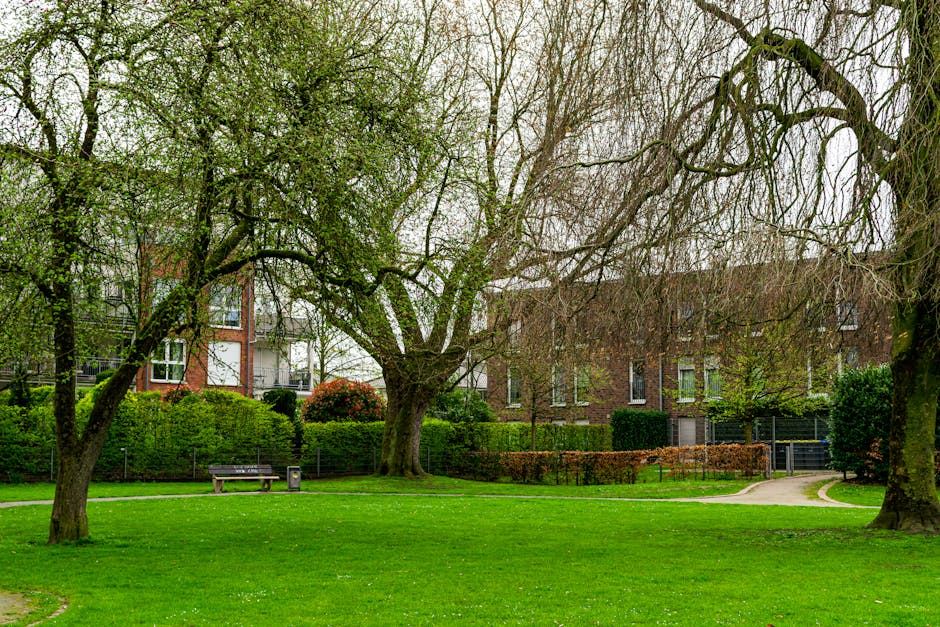
Whipps Cross gardeners maintenance tips for communal courtyards
Communal courtyards can look deceptively simple. A few planters, a paved seating area, maybe a hedge or two, and that's that-until the leaves build up, weeds creep in, drainage slows down, and nobody quite remembers who was meant to water the beds. If you manage, live in, or maintain shared outdoor space in Whipps Cross, the right Whipps Cross gardeners maintenance tips for communal courtyards can make the difference between a space people enjoy and a space people quietly avoid.
This guide is built for real shared spaces: small urban courtyards, residential blocks, mixed-use entrances, and tidy but hard-working community gardens. We'll cover what matters, what actually works, how to avoid common mistakes, and which practical habits keep a communal courtyard looking cared for without turning maintenance into a weekly headache. Truth be told, a good courtyard is mostly about consistency, not drama.
Table of Contents
- Why maintenance matters in communal courtyards
- How a sensible maintenance routine works
- Key benefits and practical advantages
- Who this is for and when it makes sense
- Step-by-step guidance for shared courtyards
- Expert tips for stronger results
- Common mistakes to avoid
- Tools, resources and recommendations
- Law, compliance, standards and best practice
- Options and method comparison
- Case study or real-world example
- Practical checklist
- Conclusion
- Frequently asked questions
Why Whipps Cross gardeners maintenance tips for communal courtyards Matters
A communal courtyard is not a private back garden. It gets more footfall, more opinions, more wear, and usually more pressure from shade, building walls, and awkward corners that never quite dry out. In Whipps Cross, that can mean moss on paving, tired planting in containers, and beds that struggle because the light is patchy or the wind funnels between buildings. If you ignore those conditions, the space ages quickly.
Good maintenance does more than keep things neat. It protects surfaces, reduces trip hazards, supports healthy planting, and keeps shared areas pleasant for residents, visitors, and staff. It also helps prevent that classic communal-space problem: one small issue being left because it feels like "someone else's job". And then, of course, it becomes everyone's problem.
There's also a social side. People are more likely to use a courtyard when it feels clean, safe, and alive. A tidy courtyard encourages people to sit outside, chat, and actually enjoy the space. That matters in shared housing and apartment settings, where outdoor areas can be one of the few places people get a breather.
Expert summary: communal courtyards stay attractive when maintenance is routine, drainage is respected, planting is suited to the site, and responsibility is clearly assigned. The "best" garden is often the one that's easy to keep looking good.
How Whipps Cross gardeners maintenance tips for communal courtyards Works
The best way to maintain a communal courtyard is to treat it like a small system rather than a collection of separate jobs. Paving, planting, waste, drainage, lighting, furniture, and access all affect each other. If one part fails, the rest usually suffers too.
A practical maintenance approach usually includes four layers:
- Regular cleaning: remove litter, fallen leaves, and surface debris before it stains, blocks drains, or makes paving slippery.
- Plant care: prune, water, feed, mulch, and replace tired planting so the courtyard keeps structure and colour.
- Safety checks: watch for broken slabs, loose edging, unstable pots, trip hazards, and overgrown corners.
- Seasonal adjustment: change the routine as weather changes, especially during wet autumns, frosty winter spells, and dry summer weeks.
That sounds straightforward, and in a way it is. But the real trick is matching the routine to the space. A courtyard with shade-loving evergreen climbers needs different care from one filled with planters, herbs, or ornamental grass. A narrow paved court near a busy entrance needs more sweeping and pressure-free cleaning than a soft landscaped garden.
If you want more ideas for plant structure in tight spaces, the guide on ground cover plants for UK gardens is a useful companion read, especially where courtyards need low-maintenance planting that still looks finished.
Key Benefits and Practical Advantages
There are obvious benefits to looking after a communal courtyard, but the less obvious ones often matter just as much.
- Better first impressions: residents and visitors notice whether the outdoor area feels cared for within seconds.
- Lower repair costs over time: blocked drainage, algae, and neglected planting tend to become expensive if left too long.
- Safer access: cleaner paving and properly cut back plants reduce slips, trips, and blocked walkways.
- Healthier planting: regular pruning and the right watering schedule prevent many common problems before they spread.
- More usable space: a courtyard that feels pleasant becomes a real amenity, not just a pass-through.
- Better neighbour relations: a clear maintenance rhythm reduces arguments about who is responsible for what.
One underrated benefit is morale. It sounds a bit grand, but it's true. People tend to care more for a place that already looks cared for. A clean bench invites use. A healthy planter gets watered. A weed-free edge seems to stay weed-free longer because someone has clearly paid attention. Small things add up.
For a more joined-up approach to shared outdoor areas, you may also find our article on creating inviting seating areas helpful, especially if your courtyard includes benches, tables, or small social corners.
Who This Is For and When It Makes Sense
This kind of maintenance is relevant for a few different groups, and each one has slightly different priorities.
Property managers and landlords
If you are responsible for a block, courtyard upkeep is part presentation and part risk management. Regular care shows residents that shared space matters and helps reduce complaints. It also makes planned inspections a lot less stressful. Nobody enjoys a last-minute scramble because the paving has gone green and the planters have given up.
Residents' associations and housing committees
Shared ownership of a courtyard is brilliant in theory, but only if there's a realistic plan. Associations often benefit from a simple seasonal schedule and a clear decision on what is handled by residents and what is handed to professionals.
Small businesses and mixed-use sites
A courtyard at the front of a salon, office, or cafe does a lot of quiet work. It shapes customer perception before anyone opens the door. In those settings, a tidy, low-fuss planting scheme usually performs better than a highly decorative scheme that needs constant attention.
Residents who want a nicer shared environment
Sometimes one person notices the space could be better and wants a practical way to improve it without starting a council meeting in the process. Fair enough. In that case, focusing on easy wins-sweeping, weeding, pruning, and tidy containers-often gets the ball rolling.
If the courtyard has become heavily overgrown, badly patched, or neglected for a while, it may be worth exploring a reset rather than endlessly patching issues. Our guide on transforming a neglected garden is useful for that stage.
Step-by-Step Guidance
Here is a practical routine you can apply to most communal courtyards. Adapt it to the size, surface type, and planting scheme.
- Start with a walk-through. Check for litter, slippery patches, blocked drains, cracked paving, dead plants, and broken containers. Do this before any cutting or cleaning so you know what needs attention.
- Clear loose debris first. Sweep leaves, twigs, soil, and rubbish from corners, around bins, under benches, and along edges. It sounds obvious, but a lot of "mystery weeds" are just dirt and seed build-up waiting for daylight.
- Deal with weeds properly. Remove them from roots where possible and keep on top of them before they seed. In courtyards, weeds often appear in paving joints and around edges where water collects.
- Prune for shape and safety. Trim back overhanging growth, dead stems, and anything blocking paths, windows, or entrances. The aim is not a severe haircut; it's structure and control.
- Check containers and beds. Replace plants that are failing, refresh compost, and make sure containers drain freely. Potted planting in shared spaces often dries out faster than people expect.
- Inspect drainage. Clear leaves from gullies, check water flow after rain, and watch for standing water. Courtyards are notorious for awkward puddling because walls and paving can create dead spots.
- Wash hard surfaces carefully. Use methods suited to the material. Aggressive cleaning can damage joints, loosen pointing, or strip finishes. Gentle is often better than dramatic.
- Reset the visual lines. Re-edge borders, straighten pots, remove tired foliage, and make sure seating is tidy. This is what gives the space that "looked after" feeling.
- Log what was done. Keep a simple record of visits, seasonal tasks, and any repairs needed. In shared settings, this helps avoid confusion later.
For many courtyards, the best results come from combining a monthly maintenance visit with a quick weekly tidy. Not glamorous, but effective. Very effective.
Expert Tips for Better Results
Here's where small details make a noticeable difference.
Choose plants that can handle the site
Courtyards are often shaded, sheltered, or partially enclosed. That means not every garden plant will thrive there. Choose species that cope with limited light, fluctuating moisture, and the occasional dry spell. Evergreen structure, tough ground cover, and compact planting usually outperform delicate showpieces in communal areas.
If you need inspiration for resilient planting, take a look at shade-loving evergreen climbers and ivy removal guidance for the tricky jobs that often go hand in hand with courtyard maintenance.
Use containers as structure, not clutter
Containers can work brilliantly in a courtyard, but only if they're purposeful. Too many mismatched pots create visual noise and become maintenance headaches. Fewer, larger containers usually retain moisture better and are easier to keep tidy. If the space feels tight, this matters even more.
There's a good overview of practical container use in container gardening.
Think in layers
A courtyard looks better when it has a sense of height, middle level, and ground level. That might mean climbers, mid-height shrubs, and low ground cover. Without layers, everything sits flat and the space can feel unfinished. A quick win, honestly, is using a few compact structural plants rather than lots of small decorative ones.
Protect soft planting from weather swings
Courtyards may be sheltered, but shelter can be deceptive. Frost gets trapped, wind tunnels through gaps, and pots dry out quickly on bright days. When temperatures drop, winter protection matters more than many people realise. A few sensible adjustments in late autumn save a lot of replacement planting later.
For seasonal care, the advice in winterproofing plants from frost is especially relevant.
Keep seating zones practical
If your courtyard includes benches or small social corners, leave enough room for people to move without brushing against plants or muddy edges. Tight spaces feel lovely on paper, but in real life a damp coat sleeve and an overhanging stem are not a charming combination.
The article on inviting seating areas offers useful ideas if you are refining a shared courtyard layout.
Common Mistakes to Avoid
A lot of courtyard problems come from good intentions, just not quite the right ones.
- Overplanting the space: too many plants leads to competition, poor airflow, and cluttered access.
- Ignoring drainage: a neat-looking surface can still be a problem if water sits under the surface after rain.
- Using the wrong cleaning method: harsh jet washing or unsuitable chemicals can damage paving and nearby planting.
- Letting ivy or climbers go unchecked: they can quickly dominate walls, fences, and drains if left alone.
- Forgetting seasonal change: a courtyard that looked fine in April may be very different by November.
- Assuming someone else will sort it: shared spaces need clear ownership, even if that ownership is practical rather than personal.
Another common issue is cosmetic maintenance without problem-solving. You can sweep, neaten, and re-pot all you like, but if the root cause is drainage or unsuitable planting, the same issues will keep returning. That's the bit people discover a few months later, usually after one too many soggy mornings.
If weeds are becoming a recurring headache, this guide on beating weeds effectively is worth a read.
Tools, Resources and Recommendations
For most communal courtyards, a compact toolkit is enough. You do not need a van full of gear unless the site is very large or heavily landscaped.
- Stiff broom: for daily or weekly sweeping of paving and corners.
- Hand weeder and trowel: for joints, edges, and small beds.
- Secateurs: for deadheading, light pruning, and tidying stems.
- Long-handled loppers: for thicker growth in bigger courtyards.
- Watering can or hose access: for container plants and dry spells.
- Compost and mulch: to refresh planting areas and retain moisture.
- Gloves and basic PPE: especially where thorns, debris, or cleaning agents are involved.
- Simple site log: paper or digital, just something consistent.
For a smarter setup, it helps to think about the courtyard as two separate zones: the hard-surface zone and the planting zone. They need different tools, different rhythms, and sometimes different people. That split alone can make maintenance feel much less messy.
If you are building a low-effort garden routine, our piece on gardeners' toolkit essentials is a practical starting point.
Law, Compliance, Standards and Best Practice
Communal courtyards sit in a slightly more formal world than private gardens. You do not necessarily need complex paperwork for every visit, but best practice is important, especially where residents, visitors, or tenants share the space.
In the UK, shared outdoor areas are usually managed with attention to health and safety, access, and general upkeep. That means keeping pathways clear, reducing obvious hazards, using equipment responsibly, and making sure maintenance doesn't create new risks. If you are using contractors, it is sensible to ask about insurance, safe working methods, and any relevant site procedures before work begins.
Best practice also includes:
- clear agreement on who is responsible for what
- regular inspection of trip hazards, damaged surfaces, and unstable containers
- careful handling of tools, ladders, and cleaning equipment
- appropriate waste disposal after pruning and clearance
- consideration for accessibility so routes remain usable
If a courtyard is part of a larger managed property, there may also be internal policies on safety, complaints, payments, and service expectations. Those are not just admin boxes to tick. They help avoid confusion when a resident reports a problem and no one knows who owns it.
For further reassurance around site working and shared-space care, you can review the information on health and safety policy and insurance and safety.
Options, Methods, or Comparison Table
Different courtyards need different maintenance methods. Here's a straightforward comparison to help you choose the right style of upkeep.
| Method | Best for | Strengths | Limitations |
|---|---|---|---|
| DIY resident-led upkeep | Very small, low-risk courtyards | Low cost, flexible, immediate attention | Depends on time, consistency, and shared responsibility |
| Scheduled professional maintenance | Medium to busy communal spaces | Reliable, consistent, better finish, less friction | Requires budget and a clear service plan |
| Seasonal clean-and-reset approach | Courtyards with simple planting and hard surfaces | Good for concentrated refreshes, easier to organise | Can allow issues to build between visits |
| Hybrid approach | Most shared courtyards | Balances cost and consistency, works well for ongoing care | Needs clear boundaries between DIY and contracted tasks |
For many Whipps Cross properties, the hybrid approach is the sweet spot. Residents or site staff handle light tidying, while scheduled professional visits cover pruning, weed control, edging, and deeper maintenance. It's flexible without becoming chaotic, which is more than can be said for many shared spaces, to be fair.
If your courtyard includes adjacent turf or edge planting, useful companion services such as lawn care and garden maintenance can help keep the whole area coherent.
Case Study or Real-World Example
Imagine a compact courtyard behind a residential block near Whipps Cross. It has paved access, three large planters, one narrow border along a wall, and a bench that gets used in the warmer months. At first glance it looks fine, but by late autumn the paving is slippery, the planters are dry at the top and soggy at the bottom, and one corner is collecting dead leaves every week.
The maintenance reset is simple but effective:
- the paving is swept and carefully cleaned
- drains and corners are cleared of leaf build-up
- the planters are refreshed with compost and better-draining planting mix
- one tired climber is replaced with a more suitable shade-tolerant evergreen
- the bench area is left open and uncluttered
- a monthly check is scheduled before problems build again
Nothing flashy. No grand redesign. But the space becomes brighter, safer, and easier to use. A resident starts using the bench again with a cup of tea on mild mornings. That sounds small, but these little shifts are what make communal courtyards worthwhile. A space people actually use is always better than a space people only talk about.
If the site has awkward boundary growth or a tired hedge line nearby, the guidance on hedge trimming can help keep the edge of the courtyard tidy and manageable.
Practical Checklist
Use this checklist as a quick reference before or during a courtyard maintenance visit.
- Walk the space and note visible hazards
- Sweep leaves, litter, and loose debris
- Clear drains, corners, and gullies
- Remove weeds from paving joints and borders
- Trim back overgrowth blocking paths or windows
- Check all containers for drainage and stability
- Replace dead or struggling plants where needed
- Water dry pots and newly planted areas
- Refresh compost, mulch, or top dressing
- Inspect seating, edges, and paving for safety
- Record issues that need a follow-up visit
Quick takeaway: if you only do three things regularly, make them sweeping, weeding, and checking drainage. Those three alone prevent a surprising amount of trouble.
Conclusion
Well-kept communal courtyards do not happen by accident. They are the result of sensible routines, the right planting choices, and a maintenance plan that matches how the space is actually used. In Whipps Cross, where many shared outdoor areas need to work hard in limited space, a practical approach is usually better than a perfect-looking one that nobody can keep up with.
Start small if you need to. Clear the debris. Fix the drainage. Choose stronger plants. Keep the lines tidy. Then build from there. A courtyard that feels calm and cared for will always give more back than one that is overcomplicated and underlooked-after. And that, really, is the heart of it.
Get a free quote today and see how much you can save.
If you want tailored help with a shared courtyard, it's sensible to speak with a local team that understands both the gardening and the practical side of communal upkeep. A short conversation now can save a lot of patching later.
Frequently Asked Questions
How often should communal courtyard maintenance be carried out?
For most shared courtyards, a light weekly tidy and a fuller monthly maintenance visit works well. Busy entrances or heavily planted spaces may need more frequent checks, especially in autumn and after windy weather.
What makes communal courtyards harder to maintain than private gardens?
Shared use is the big difference. More footfall means more litter, more wear on paving, and more chances for a small problem to be ignored. Planting also has to cope with mixed expectations and tighter access.
Which plants work best in a courtyard with limited light?
Shade-tolerant evergreen plants, compact shrubs, and resilient ground cover tend to perform best. The key is choosing plants that suit the real conditions rather than trying to force a sun-loving display into a shaded corner.
Can residents do courtyard maintenance themselves?
Yes, for basic tasks like sweeping, deadheading, light weeding, and watering containers. Anything involving height, heavy pruning, cleaning machinery, or safety risks is usually better left to experienced gardeners.
How do you stop weeds coming back in paving joints?
Regular removal is the simplest answer. Keeping joints clear of debris, reducing soil build-up, and avoiding neglected corners all help. Weeds thrive where dirt and moisture collect, so prevention matters as much as removal.
Is pressure washing a good idea for communal courtyards?
Sometimes, but it needs care. Some surfaces handle it well; others do not. Overly aggressive cleaning can damage joints, spread debris, or leave surfaces worse than before. Gentle, suitable cleaning methods are usually safer.
What should be checked during a courtyard safety inspection?
Look for broken paving, slippery algae, unstable planters, blocked drains, overhanging branches, and anything blocking access routes. Even small hazards matter in shared spaces because many people use the area.
How do you keep a courtyard looking tidy in winter?
Focus on fallen leaves, drainage, and structural planting. Winter tidy-ups are less about colourful displays and more about keeping the space clear, safe, and visually orderly. A few strong evergreens help a lot.
What is the best way to manage complaints about courtyard upkeep?
Have a clear record of maintenance visits, responsibilities, and follow-up actions. Most complaints ease when people can see what has been done and what is planned next. Ambiguity causes far more tension than gardens do.
How can a small courtyard feel less cluttered?
Use fewer but better-placed planters, keep circulation routes open, and avoid mixing too many styles of furniture or containers. Clean lines and simple planting often work better than trying to fit in everything at once.
Do communal courtyards need different care in spring and summer?
Yes. Spring is a good time for planting, feeding, and resetting after winter, while summer usually needs more watering and regular deadheading. Weather changes quickly in London, so the routine should stay flexible.
When should professional help be brought in?
If the courtyard has overgrown planting, damaged paving, persistent weeds, drainage problems, or access issues, it's wise to bring in a professional. Early help often costs less than waiting until the space needs a major reset.