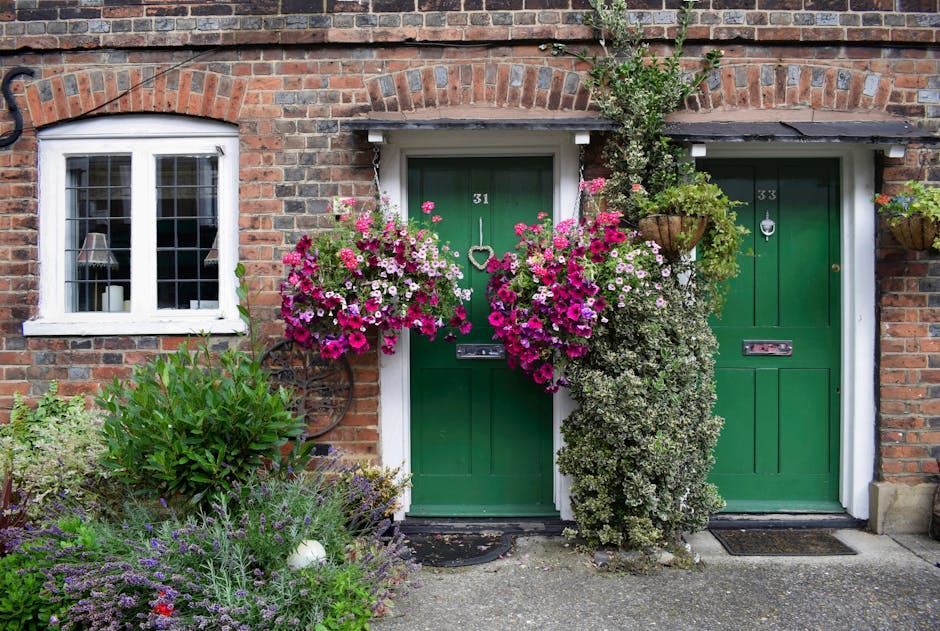
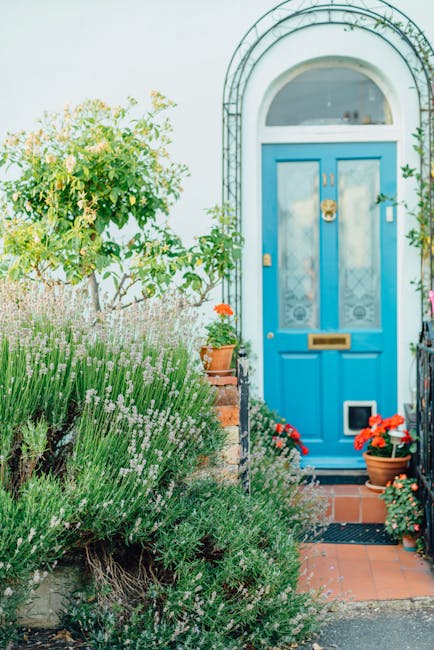
Lea Bridge Road gardeners guide for small front gardens
If you live on or near Lea Bridge Road, you probably know the problem already: a front garden that is just big enough to matter, but not quite big enough to waste. Maybe it catches the morning light, maybe it sits in a bit of shade, maybe the wind whistles straight down the street and seems determined to flatten everything. Either way, a small front garden can look charming, welcoming and tidy, but only if it is planned well.
This Lea Bridge Road gardeners guide for small front gardens is written to help you make smart choices from the start. We will look at layout, planting, low-maintenance ideas, privacy, seasonal care, and the little details that make a tiny space feel more generous. Truth be told, a small front garden is often easier to improve than a larger one. You just need a clear plan and a little discipline. Not glamorous, perhaps, but very effective.
For homeowners who want a neat entrance, stronger kerb appeal, and planting that survives real London weather, the approach below keeps things practical. You will also see where professional support can help, whether that is regular garden maintenance, a tidy-up through landscaping services, or help with problem areas like hedges, trees and boundaries.
Table of Contents
- Why Lea Bridge Road gardeners guide for small front gardens Matters
- How Lea Bridge Road gardeners guide for small front gardens Works
- Key Benefits and Practical Advantages
- Who This Is For and When It Makes Sense
- Step-by-Step Guidance
- Expert Tips for Better Results
- Common Mistakes to Avoid
- Tools, Resources and Recommendations
- Law, Compliance, Standards, or Best Practice
- Options, Methods, or Comparison Table
- Case Study or Real-World Example
- Practical Checklist
- Conclusion
- Frequently Asked Questions
Why Lea Bridge Road gardeners guide for small front gardens Matters
A small front garden does more than sit in front of a house. It frames the whole property. It is the first thing visitors see, the bit that softens brick and paving, and the space that can either feel cared for or quietly neglected. On Lea Bridge Road, where homes often sit close to pavements, roads and passing foot traffic, that first impression matters even more.
There is also a practical side. A front garden that is too busy becomes harder to maintain, and once maintenance slips, the whole thing can start to feel cramped. One overgrown shrub, a patch of weeds, and a tired path are enough to make a perfectly good space look smaller than it really is. We have all seen that sort of thing. It creeps up on people. One week it looks fine, the next it is all a bit much.
Small front gardens need a different mindset from back gardens. You are not trying to pack in every plant you like. You are choosing structure, repetition and restraint. That sounds a bit strict, but the result is usually calmer and more attractive. You will get more from one well-placed feature shrub than five random plants fighting for attention.
It also helps to think about how the garden feels from the street and from the doorway. Those two views are not always the same. A planting scheme that looks beautiful from one angle may hide the path from the other. The best small front gardens balance both. Simple, but not dull.
Expert summary: In a compact front garden, the best design choices are usually the ones that reduce visual clutter, improve movement, and keep maintenance realistic. If it is hard to mow, hard to weed, or hard to enjoy, it probably needs simplifying.
How Lea Bridge Road gardeners guide for small front gardens Works
The basic method is straightforward: assess the space, decide what role the garden should play, then build a layout around that purpose. A small front garden might mainly need to be decorative. It might need to hide bins, soften a boundary, frame a path, or just stop the house looking bare. In many cases, it needs all of those things at once. That is where careful planning comes in.
Start by looking at four things:
- Sunlight: how many hours of direct light the space gets.
- Exposure: whether the site is sheltered or windy.
- Traffic: how often people walk through or past the area.
- Maintenance level: how much time you can realistically spend on it.
Once you know those basics, you can choose a structure that suits the site. For example, if the front garden is narrow, a slim border, a couple of containers, and a clean path often work better than a dense mixed bed. If the garden is shaded, you may lean on evergreens, shade-tolerant climbers and plants with good leaf texture rather than flowers alone. If it is windy, sturdy plants and lower-growing species will usually behave better. Quite a bit better, in fact.
Planning works best when you think in layers. First, the hard elements: edging, path, fence line, steps, and surfaces. Second, the structural planting: shrubs, small trees, hedges or climbers. Third, the finishing layer: bulbs, ground cover, seasonal interest and pots. That order keeps the design from becoming chaotic.
If the space already has issues like invasive ivy, tired hedging or awkward access, a tidy-up stage can make a huge difference before planting begins. Useful supporting reading includes practical ivy removal advice, simple weed control tips, and how to turn a neglected garden around.
Key Benefits and Practical Advantages
A well-designed small front garden does a lot of work for a relatively small footprint. That is the beauty of it. You get impact without needing a huge amount of land, and with the right choices the space can look better through most of the year.
- Stronger kerb appeal: Neat planting and a clear layout make the property feel cared for.
- Lower maintenance: The right design reduces weekly fuss, especially if you choose perennial planting and restrained borders.
- Better privacy: Low hedging or screening can soften the view from the road without making the garden feel boxed in.
- Clearer entrance flow: A tidy path and uncluttered gate area make everyday use easier.
- More seasonal interest: Small spaces benefit from a careful mix of evergreen structure and changing flowers.
- Improved property feel: A modest front garden can make a home feel friendlier and more settled. You notice it every time you come back from work.
There is also a hidden benefit: focus. With less space, you are less likely to overplant if you follow a plan. That means less crowding, less competition for light, and fewer awkward transplant jobs later. It is one of those rare gardening situations where less really is more.
If you are thinking about low-effort impact, ground cover and compact planting can be excellent tools. A good place to start is this guide to must-have ground cover plants for UK gardens, especially if you want to cut down on bare soil and weeds.
Who This Is For and When It Makes Sense
This guide is for anyone dealing with a small front garden who wants it to look intentional rather than accidental. That could mean a new homeowner staring at a scruffy patch of soil, a busy family needing a manageable entrance, or a landlord trying to keep the frontage tidy without constant intervention.
It also makes sense if you are planning any of the following:
- a low-maintenance front garden makeover
- a more private entrance without losing light
- a pollinator-friendly planting scheme
- container planting instead of full borders
- a clearer path, step or access route
- a seasonal refresh after winter damage
For people who are new to gardening, a small front garden is actually a good place to learn. You can see results quickly, mistakes are cheaper to fix, and there is less temptation to overcomplicate things. If that sounds like you, the beginner gardening tips article is a useful companion.
And if you simply do not have the time, that is fine too. Small front gardens are often ideal for periodic professional upkeep, especially if they need clipping, edging, weeding or seasonal replanting rather than full redesign every year.
Step-by-Step Guidance
Here is a practical way to approach a small front garden without getting overwhelmed. One step at a time. No heroics required.
1. Clear the space properly
Before you plant anything, remove weeds, dead material, broken pots, unwanted self-seeded shrubs and any debris hiding under hedge lines or by the fence. If ivy has moved in, deal with that first. Otherwise it tends to come back and cause chaos later, a bit like that one drawer in the kitchen everybody ignores.
2. Measure the actual usable area
Not the whole frontage. The usable area. Include the path width, doorway clearance, bin access and any space needed to open gates or move past parked vehicles. Small front gardens often fail because planting steals the room needed for daily life.
3. Choose a simple layout
Pick one clear structure. Common options include:
- a central path with planting either side
- a front border with containers near the entrance
- a narrow bed with a low hedge edge
- a gravel or paved base with raised planters
If the garden has awkward height changes, damaged edges or tired surfaces, consider whether patio cleaning or decking services might help improve the overall entrance area before new planting goes in.
4. Build the structure first
In small spaces, structure matters more than novelty. Use evergreen shrubs, dwarf hedging, a climber on a wall or fence, or one small feature tree if the space allows it. Structure stops the garden looking empty in winter.
5. Add planting in layers
Start with the largest plants, then medium fillers, then ground cover and bulbs. Repetition helps. Three of the same plant usually looks tidier than one of everything. There is no prize for cramming in every label from the nursery shelf.
6. Finish with tidy edges and mulch
Sharp edges make a huge difference in small gardens. They frame the planting and make maintenance easier. Mulch helps retain moisture and reduce weeds, especially in the first season after planting.
7. Review after a few weeks
Watch how the garden behaves in real weather. Does water pool after rain? Is one corner darker than expected? Is the planting too close to the path? Small front gardens often need one or two adjustments after the first month. That is normal, not failure.
Expert Tips for Better Results
The best small front gardens usually share the same quiet discipline. They do a few things well and avoid trying to be everything at once.
- Use repetition: Repeat a plant, colour or material to make the space feel calmer.
- Keep one focal point: A doorway planter, a feature shrub, or a neat tree can anchor the whole design.
- Choose year-round performers: Evergreens, clipped shapes and textured foliage matter as much as flowers.
- Think vertical carefully: Climbing plants can add height without stealing floor space. A useful reference is space-saving vertical gardening ideas.
- Use containers where the soil is poor: Containers are brilliant in front gardens with patchy ground or awkward root competition. They also let you change the look quickly. A bit like swapping the wallpaper, except outdoors.
- Plan for winter, not just summer: Frost, wind and rain are often what expose weak design choices. See also how to protect plants from frost.
- Choose plants for the site, not just the catalogue photo: It sounds obvious, but people still do it all the time.
For windy spots along busier roads, planting that bends rather than snaps is usually safer. A short guide on taming breezes in the garden can help if your front border gets battered.
And if privacy is part of the brief, a modest hedge can work better than a fence in some cases. Just keep it proportionate and maintain it regularly. Overgrown hedging in a small front garden can quickly swallow the whole place. Nobody wants that.
Common Mistakes to Avoid
Small front gardens are forgiving in some ways, but mistakes show fast. The good news? Most of them are easy to avoid once you know what to look for.
- Overplanting: Too many plants make the garden look cramped and hard to maintain.
- Ignoring access: If bins, bikes, prams or deliveries need room, leave it.
- Using too many styles: A mix of cottage, formal, tropical and minimalist all at once is usually a mistake.
- Choosing high-maintenance plants by impulse: Beautiful today, but tiring next month.
- Forgetting the boundary: A tired fence or hedge can drag the whole design down. If that is an issue, fencing services or hedge trimming in Lea Bridge may be worth considering.
- Leaving bare soil exposed: Bare patches invite weeds and make the area look unfinished.
- Neglecting drainage: Poor drainage turns compact spaces into muddy trouble spots.
Another easy error is treating the front garden like an afterthought. It is visible every single day. If it is messy, you will notice. If it is well kept, you will notice that too. That sounds basic because it is, but basic is often where good gardening starts.
Tools, Resources and Recommendations
You do not need a shed full of gadgets to manage a small front garden. In fact, overbuying tools can become part of the problem. Keep it practical.
Useful essentials:
- hand fork and trowel
- secateurs for pruning and deadheading
- lightweight shears for edging and shaping
- watering can or hose with a gentle spray setting
- gloves, especially for thorny or scratchy plants
- compost and mulch
- spare containers or planters if you like seasonal changes
For a clearer picture of the basics, the gardener's toolkit guide is a sensible place to look. If you want to improve soil quality, the guide to turning organic waste into rich soil is worth your time as well.
Some homeowners also like to combine planting with small practical features such as a tidy seating nook or bench. It does not have to be elaborate. A well-placed chair can turn a front garden from pass-through space into a place you actually use, even if only for five minutes with a cup of tea. The article on inviting seating areas has some useful ideas if that appeals.
Law, Compliance, Standards, or Best Practice
For most front gardens, the main legal and practical concerns are simple: keep the area safe, do not block access, and avoid creating hazards for neighbours, pedestrians or visitors. If work is near the public pavement, boundary, or street-facing access, it is sensible to check what permissions or local expectations may apply before making changes that affect visibility, access or drainage. When in doubt, a careful approach is best.
Good practice in a front garden usually includes the following:
- keeping paths and steps clear and level where possible
- making sure plants do not obstruct doors, windows or sight lines
- managing overhanging growth so it does not encroach into public space
- disposing of green waste responsibly
- using safe methods and equipment for pruning, lifting and pressure cleaning
If you are hiring help, it is sensible to look for providers who are clear about their processes, insurance, and safety practices. Helpful pages on this site include insurance and safety, health and safety policy, payment and security, and terms and conditions. Those details may feel dry, but they matter. A lot.
If your project involves substantial redesign, hard landscaping or tree work, the right service level matters as much as the planting choices. It is one reason people often start with a conversation rather than guessing their way through a quote.
Options, Methods, or Comparison Table
There is no single right way to design a small front garden. The best method depends on how much time you want to spend, how much privacy you need, and whether the space is mainly decorative or functional. Here is a simple comparison.
| Approach | Best for | Strengths | Trade-offs |
|---|---|---|---|
| Low-maintenance border | Busy homeowners, small budgets | Simple, tidy, easy to keep under control | Less room for variety |
| Container-based front garden | Poor soil, rented homes, flexible styling | Easy to change, good for seasonal interest | Needs watering and feeding more often |
| Structured planting with hedge or climber | Privacy and kerb appeal | Strong visual identity, good year-round form | Needs clipping and shaping |
| Minimal hardscape with a few statement plants | Very narrow spaces | Feels open and uncluttered | Less lush if underplanted |
For many Lea Bridge Road homes, a hybrid approach works best. A narrow border or two containers, one neat structural shrub, and a simple path is often enough. If you want more privacy without going full fortress mode, take a look at fast-growing hedge options and shade-loving evergreen climbers.
Case Study or Real-World Example
Here is a realistic example based on a common Lea Bridge Road frontage: a narrow garden beside a terraced house, with a short path, patchy lawn, a tired fence and a couple of overgrown shrubs. The owners wanted something neat, not fussy. They also wanted enough planting to make the house feel welcoming from the street.
The first move was to strip the space back. Out came the weeds, dead stems and a scrambling climber that had outstayed its welcome. The fence was repaired, the front edge redefined, and the old lawn replaced with a cleaner, easier-to-manage surface. Instead of trying to use lots of different plants, the design used repetition: a couple of evergreen shrubs, a low edging plant, two large containers by the doorway, and a climber trained neatly against the wall.
The result was not dramatic in a flashy way. It was better than that. It felt settled. The entrance was easier to walk through, the plants looked intentional in winter, and the front of the house suddenly matched the care that was already going into the inside. These jobs often end up being more emotional than people expect. You come home and the place looks right. That is a good feeling.
If a front garden has been ignored for a while, a structured reset can save months of frustration. The key is not perfection. It is removing the mess that hides the good bits.
Practical Checklist
Use this checklist before you start, or before you ask someone else to help.
- Measure the full usable frontage, not just the visible soil
- Note sun, shade and wind exposure at different times of day
- Check the path, gate and doorway for clear access
- Remove weeds, ivy, dead growth and debris first
- Decide whether the space needs privacy, decoration or both
- Choose one main style and keep it consistent
- Use structure: hedge, shrub, climber, containers or a feature plant
- Pick low-maintenance species where possible
- Add ground cover to reduce bare soil
- Leave room for seasonal maintenance and watering
- Check edges, fence line and boundaries for wear
- Plan for winter interest as well as summer colour
- Use compost or mulch to support soil health
- Review the space after rain and after a few weeks of growth
Quick takeaway: If your small front garden feels crowded, the answer is usually not more plants. It is a better shape, a stronger structure, and fewer moving parts.
Conclusion
A small front garden can be one of the most satisfying spaces to improve. It is visible, manageable and full of potential if you treat it with a bit of care. On Lea Bridge Road, where homes often need a neat street-facing finish that also stands up to real weather and everyday use, the best results usually come from simple design, sensible planting and regular upkeep.
Start with the basics: clear the space, shape the layout, choose plants that suit the site, and keep the whole thing easy to live with. If you do that well, the garden stops feeling like a problem and starts feeling like part of the house. Not bad for a small patch of ground, really.
If you want help shaping the right plan for your frontage, or you would rather have an experienced pair of hands handle the work, it makes sense to speak to a local team that understands small gardens, seasonal maintenance and the practical realities of London homes.
Get a free quote today and see how much you can save.
Frequently Asked Questions
What is the best layout for a small front garden on Lea Bridge Road?
Usually the best layout is simple and open: a clear path, one main planting zone, and a few structural features such as a compact shrub, hedge or container grouping. The space should feel easy to walk through, not packed edge to edge.
How do I make a tiny front garden look bigger?
Use repetition, clean lines and fewer plant varieties. Keep the path visible, avoid overcrowding, and use vertical elements like a restrained climber or slim planting to draw the eye upward without cluttering the ground.
Which plants work well in small front gardens?
Compact evergreen shrubs, ground cover, hardy perennials, dwarf hedging and container plants usually work well. The exact mix depends on sun, shade and wind exposure, so choose plants for the site rather than the catalogue photo.
Are containers a good idea for front gardens?
Yes, especially where the soil is poor or you want flexibility. Containers are great for seasonal displays and can be moved or refreshed easily, though they do need regular watering and feeding.
How often should a small front garden be maintained?
That depends on the planting, but most small front gardens benefit from light attention every week or two during the growing season. Pruning, edging and weed control are easier when done little and often.
Can I use hedges for privacy in a small front garden?
Yes, but keep the hedge proportionate. Low or slim hedging can soften the front boundary without making the space feel boxed in. Regular trimming is important, especially in a small area where every inch matters.
What should I do about weeds in a small front garden?
Remove them early, then reduce bare soil with mulch or ground cover. Weeds are much easier to manage when the garden is planted properly and the soil surface is not left exposed for long periods.
How do I deal with a neglected or overgrown front garden?
Start with a clear-out: dead growth, weeds, ivy and any broken edging. Then repair the basic structure before replanting. A neglected front garden often improves fastest when you simplify it first rather than trying to rescue every existing plant.
Do I need professional help for a small front garden?
Not always, but professional help can save time if the space needs boundary work, pruning, re-edging, planting design or a full reset. It is especially useful when you want a neat finish without trial and error.
What are common mistakes people make with small front gardens?
The biggest ones are overplanting, ignoring access, choosing too many different styles, and forgetting that front gardens need to work in all seasons. Winter and wind tend to expose weak designs very quickly.
Can a small front garden still be attractive in winter?
Absolutely. In fact, winter interest is one of the main reasons to use evergreen structure, clipped shapes, strong bark, and plants with good form. Without that, a front garden can look flat and bare for months.
Where can I get advice or a quote for front garden work?
If you want help with planning, maintenance or a practical front garden refresh, the simplest next step is to speak with a local gardening team through the site's contact page or review the pricing and quotes information first.